Day 3 Overview: Precision Medicine, Targeted Infusions & Putting It All Together
Clinical Mastery — Precision Medicine in Practice
Day 3 brings the entire training to its clinical apex — delivering the precision medicine methodology that definitively distinguishes KRI-trained practice. This day covers the advanced clinical variables that most ketamine programs ignore entirely, and equips participants with the practical tools, frameworks, and mentorship infrastructure they will use from the first day in their own infusion suite.
THE KRI CLINICAL FRAMEWORK
The SOMA Framework — Precision Medicine in Practice
Day 3’s clinical methodology is organized around the SOMA framework: a comprehensive, four-stage workflow that defines how KRI-trained clinicians approach every patient encounter with systematic precision.
SSELECTIONAdvanced patient eligibility matrices, red flag identification, and complex case screening protocols | OOPTIMIZATIONPre-infusion preparation: correcting MTHFR, medications, hormonal deficits, and nutritional variables | MMONITORINGReal-time biometric monitoring with KRI Clinical Companion plasma targeting integration throughout | AADJUSTMENTEvidence-based series progression: adjusting subsequent infusions based on accumulated response data |
Advanced Curriculum Modules
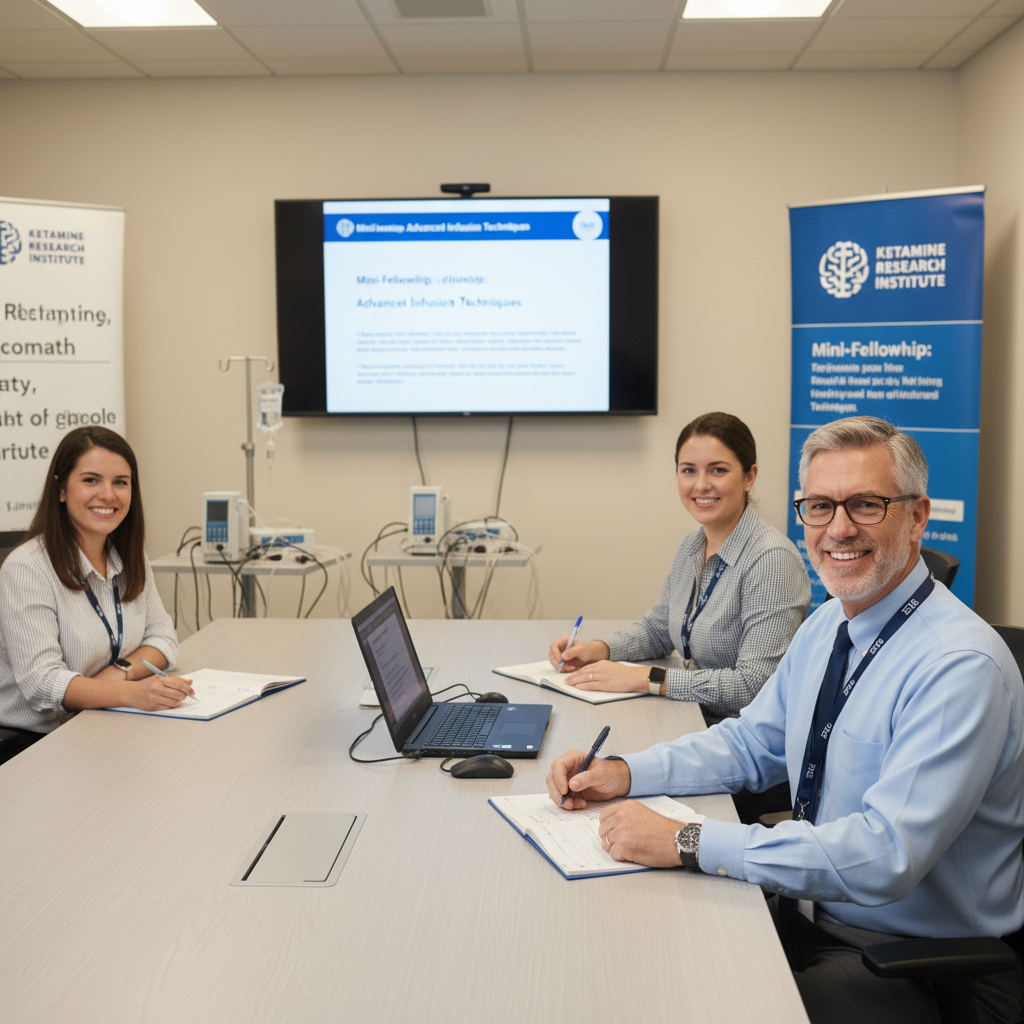
PRECISION MEDICINE AND TARGET-DETERMINED INFUSION — ADVANCED KETAMINE THERAPY
Targeting Plasma Concentrations, Not Body Weight
The foundational shift in advanced practice is moving from mg/kg dosing to targeting specific plasma concentrations measured in ng/mL. Body weight is a poor predictor of how any individual metabolizes ketamine — hepatic enzyme activity, genetic variants, volume of distribution, and medication burden can produce two- to threefold differences in plasma levels between patients receiving identical doses. One patient reaches a therapeutic concentration and responds profoundly. Another receives the same dose, achieves a fraction of that level, and is told that ketamine didn’t work. Advanced clinicians know the difference — and know how to fix it. The benefit is immediate and measurable: dramatically higher response rates, fewer failed series, and patients who might otherwise have been written off achieving genuine remission.
Optimizing the Patient Before the First Infusion
Many treatment-resistant patients arrive carrying metabolic and hormonal deficiencies that silently undermine outcomes regardless of how well the infusion is executed — MTHFR dysfunction, hypomagnesemia, testosterone deficiency, carnitine insufficiency. Advanced practice corrects these before treatment begins. Similarly, pharmacogenomic testing identifies CYP450 variants, BDNF polymorphisms, and other genetic factors that predict how a patient will metabolize ketamine and respond neurologically. The benefit is profound: clinicians can anticipate outliers, personalize protocols from day one, and avoid the costly, demoralizing experience of a failed series that proper preparation would have prevented.
Navigating Complex Medications
Treatment-resistant patients almost never arrive medication-free. Benzodiazepines suppress the glutamate activity on which ketamine depends. Lamotrigine antagonizes the cascade responsible for its antidepressant effect. Antipsychotics and opioid antagonists introduce additional variables that a one-size-fits-all protocol simply ignores. Advanced clinicians build their entire treatment strategy around this pharmacological reality — reconciling each agent before committing to a dosing plan. The benefits are fewer adverse interactions, more predictable clinical responses, and the ability to treat complex patients that other clinics turn away.
This module delves into the key factors influencing ketamine’s effectiveness, including body mass, drug interactions, comorbidities, metabolism, genetics, and patient mindset. Clinicians will learn to fine-tune their approach to each patient, ensuring the therapy is tailored to their needs.
This module also covers advanced criteria for patient selection, the role of diagnostics and genetics, and the importance of biomarkers in guiding precision treatment. Additionally, we address the risks of tolerance, tachyphylaxis, and hormesis, providing strategies to manage and prevent these challenges.
By mastering these variables, clinicians can significantly enhance the outcomes of their ketamine therapy.
Inside Day 3
PRECISION MEDICINE & TARGET-DETERMINED INFUSION THERAPY
MODULE 10: Transforming Your Approach: The Critical Variables
Module 10 introduces the practical clinical framework that transforms how you approach every dosing decision, beginning with the critical shift from total body weight to adjusted body weight. Through the “Five Moving Parts” model — mass, metabolism, medications, morbidities, and mindset — you’ll develop a systematic approach to the complex polypharmacy that defines treatment-resistant depression cases, with specific attention to the pharmacological roadblocks posed by benzodiazepines, lamotrigine, antipsychotics, and opioid antagonists.
The critical clinical shift from total body weight to adjusted body weight in ketamine dosing
The ‘Five Moving Parts’ framework: mass, metabolism, medications, morbidities, and mindset
Medication reconciliation in treatment-resistant depression: navigating complex polypharmacy
Key pharmacological roadblocks: benzodiazepines, lamotrigine, antipsychotics, opioid antagonists
MODULE 11: Metabolism, Genetics & Comorbidity Management
Module 11 brings precision medicine to life by integrating pharmacogenomics into your clinical workflow, covering CYP450 enzyme modulators, key genetic variants including BDNF, MTHFR, and COMT, and how to apply Genomind
testing results to individualized dosing decisions. You’ll also learn to identify and correct the metabolic comorbidities — MTHFR dysfunction, hormonal deficiencies, hypomagnesemia, and carnitine deficiency — that silently undermine treatment response, with the KRI Clinical Companion automating drug-drug safety screening throughout.
CYP450 enzymatic modulators, genetic variants (BDNF, MTHFR, COMT), and dosing adjustment
Genomind pharmacogenomic testing in the practical clinical workflow and interpretation
Metabolic comorbidities: MTHFR dysfunction, hypotestosteronemia, hypomagnesemia, carnitine deficiency
KRI Clinical Companion: automated drug-drug safety screening and pre-infusion optimization
MODULE 12: Precision Medicine in Practice — The SOMA Framework
Module 12 brings the program’s precision medicine philosophy into a single, actionable clinical framework: the SOMA model — Selection, Optimization, Monitoring, and Adjustment. You’ll work through advanced eligibility matrices, systematic red flag identification, and comprehensive pre-infusion optimization protocols covering medications, hormonal status, and micronutrient correction — while developing a clinically grounded understanding of tolerance, tachyphylaxis, and the risk of ketamine-induced glutamate excitotoxicity.
Selection, Optimization, Monitoring, Adjustment — the complete KRI clinical workflow in practice
Standard versus advanced eligibility matrices and systematic red flag identification protocols
Comprehensive patient optimization: correcting MTHFR, medications, hormonal status, micronutrients
Understanding tolerance, tachyphylaxis, and ketamine-induced glutamate excitotoxicity risk
MODULE 13: Personalized Dosing & Treatment Trajectories
Module 13 moves from frameworks to individualized treatment planning, establishing diagnosis-specific plasma concentration targets for anxiety, PTSD, depression, bipolar disorder, and neuropathic pain. You’ll learn to navigate the four levels of consciousness that define the ketamine experience, structure treatment along the three-stage Induction, Reinforcement, and Maintenance trajectory, and use real-time biometric data — heart rate, HRV, and respiratory rate — to dynamically refine each patient’s series as it unfolds.
Diagnosis-specific plasma concentration targets: anxiety/PTSD, depression/bipolar, neuropathic pain
Navigating the four consciousness levels from anxiolysis through reorientation and recovery
The three-stage treatment trajectory: Induction, Reinforcement, and Maintenance phase planning
Using real-time biometrics (HR, HRV, respiratory rate) to guide and dynamically refine the series
MODULE 14: Putting It All Together: Tools for Clinical Success
Module 14 is where everything converges into daily clinical practice, equipping you with point-of-care reference guides, standardized protocols, and the patient communication tools needed to set realistic expectations and guide people through their treatment journey with confidence. It also formally introduces the full capabilities of the KRI Clinical Companion — personalized dosing, real-time medication safety screening, and clinical intelligence at the point of care — alongside the KRI Mentorship Program, which ensures you’re never navigating a complex case alone after the fellowship ends.
Point-of-care rapid reference guides and standardized clinical protocols for daily practice
Setting realistic patient expectations and effectively explaining the ketamine treatment journey
KRI Clinical Companion: personalized dosing, medication safety screening, real-time clinical intelligence
The KRI Mentorship Program: ongoing case review, urgent clinical support, and professional development
SPECIAL SUPPLEMENTAL MODULE 15: Clinical Ethics, Medical-Legal Standards & Professional Accountability
Module 15 addresses the dimension of ketamine practice that no purely clinical training program can afford to omit — and that state medical boards and professional organizations scrutinize most closely.
You’ll move well beyond standard consent forms to understand the full ethical and legal obligations that accompany off-label prescribing in a vulnerable psychiatric population, including how to document, disclose, and defend your clinical decisions when it matters most.
Scope-of-practice boundaries, coordination-of-care standards, and the professional ethics of treating complex mental health patients are examined in rigorous detail — with particular attention to the exposure points that most practitioners don’t identify until a complaint has already been filed.
From adverse event reporting and quality assurance frameworks to anti-kickback compliance in cash-pay models, this module ensures that your practice is not only clinically excellent but professionally unassailable — the standard that licensing boards expect and that your patients deserve.
Informed consent beyond the form: off-label disclosure obligations, realistic outcome representation, and patient autonomy in vulnerable psychiatric populations
Scope of practice boundaries for non-psychiatrist practitioners and mandatory psychiatric clearance criteria
Coordination of care standards: formal protocols for communicating with the patient’s existing mental health team
Malpractice exposure in ketamine practice: off-label prescribing liability, standard of care documentation as legal defense, and critical incident reporting
Professional boundaries, conflicts of interest, and ethical obligations unique to the ketamine therapeutic context
Quality assurance frameworks: adverse event reporting, outcome tracking methodology, and peer review standards
Vulnerable population protocols: managing active suicidality, psychosis history, substance use disorders, and mandatory reporting obligations
Business compliance in cash-pay practice models: anti-kickback statute awareness and appropriate financial disclosures to patients
Continuing competency: CME requirements, credentialing considerations, and maintaining currency as clinical standards evolve


PROGRAM COMPLETION — WHAT YOU TAKE HOME
Clinical Resources & Ongoing Support
Clinical Resources✓ Comprehensive Course Workbook with all didactic content and clinical protocols ✓ Complete forms, consents, and a DEA-compliant documentation package ✓ Validated assessment tools: PHQ-9, GAD-7, PTSD Index, and Beck Depression Inventory ✓ Ketamine infusion records and DEA-compliant controlled substance logbooks ✓ Certified Ketamine Clinician credential logo for practice materials and website | Ongoing Support & Access✓ KRI Certification as a qualified ketamine therapy clinician ✓ Access to the KRI graduate referral network for patient continuity and case support ✓ Year-long personal mentorship with Dr. Gerald W. Grass, MD — direct expert access ✓ Full access to the KRI Clinical Companion precision medicine app (2026 release) ✓ Standing invitation to the KRI graduate professional discussion board and community |
Clinical and Experiential Session – Day 3

Supervised Infusion Training — Continued
The Afternoon Clinical Session on Supervised Infusion Training continues from the day two experience, where knowledge becomes clinical competence. Under direct oversight of experienced KRI clinicians, you’ll execute every phase of the infusion encounter — from patient positioning through discharge — developing the procedural fluency that only comes from doing, not watching.
You’ll make real-time dose selection decisions based on individual patient variables, titrate infusion rates dynamically, and monitor clinical response as it evolves. Adverse event management is practiced systematically, with hands-on recognition and response protocols for hypertensive episodes, tachycardia, and emergence reactions, alongside airway management readiness covering BVM ventilation, laryngeal mask airway, and endotracheal intubation.
Equally important, you’ll develop the clinical judgment to distinguish when intervention is required versus when holding therapeutic space serves the patient better — a skill no textbook can teach.
The session closes with complete documentation of the procedure note and structured training in patient debriefing, ensuring your practice meets the highest standards of both clinical safety and therapeutic integration from day one.
This module also includes a recap of ketamine infusion techniques, emphasizing why the personalized approach surpasses standard protocols. To ensure clinicians are fully prepared, we provide a Rapid Guide to successful first infusions, advanced treatment protocols, a Quick Reference Guide for effective ketamine therapy, and the KRI Clinical Companion app. The day concludes with a focus on the importance of mentoring and marketing to grow a successful ketamine practice.
Inside Clinical Module 3 – Elevate Your Clinical Skills with Hands-On Experience
Perfecting the Setup: A Guide to Pre-Infusion Preparation
• Preparation of the infusion suite
• The Pre-Procedure Checklist for Ketamine Infusions
• Step-by-Step Suite Setup and Setting up Your Infusion Tray
• Enhance the Experience: Using AV Tools to Optimize Ketamine Therapy
• Pre-procedure patient preparation
• The Crucial First Step in Ketamine Therapy: Determination of Adjusted Body Weight
• Precision Dosing: Accurately Determining Target Plasma Concentrations
• Positioning Perfection: How to Ensure Patient Comfort and Safety
• Mastering Vital Signs Monitoring: Application and Adjustment Techniques
• Pre-Treatment Vitals: Your Final Check Before Infusion
The Art of Infusion: Essential Techniques for Ketamine Therapy
• A Complete Guide for Clinicians: From IV Access to Patient Monitoring
• Precision Access: Mastering IV Insertion Techniques for Ketamine Infusions
– Infusion methodologies: Gravity, Drip Assist, Infusion pumps
• Targeting Precision: How to Determine Ideal Ketamine Plasma Levels
– Pharmacokinetic modeling during infusion
• Infusion Intelligence: Using Pharmacokinetics for Optimal Dosing
– Using the electronic ketamine infusion record
• Real-Time Assessment: Monitoring Psychological and Physiological Responses
– Assessment of your patient’s level of consciousness
• Stay Alert: Techniques for Assessing Consciousness During Ketamine Infusions
– How to perform infusion rate or concentration adjustments
• Precision Adjustments: Fine-Tuning Infusion Rates and Concentrations
– Preventing infusion occlusions, flow reductions, and disconnects
• Smooth Sailing: Preventing and Managing Infusion Complications
– Tips for guiding patients through the infusion
• Guiding Patients: Best Practices for a Positive Infusion Experience
– Avoiding and managing adverse effects
• Proactive Prevention: Strategies for Managing Adverse Effects
After the Infusion: Key Steps for a Smooth Recovery
• Managing Recovery: Best Practices for Post-Infusion Care
• The Critical Post-Infusion Phase: Ensuring Patient Comfort and Safety
• Navigating Recovery: Addressing Nausea, Fatigue, and Disequilibrium
• Beyond the Infusion: Effective Debriefing and Integration Techniques
• Keeping a Close Watch: Best Practices for Post-Infusion Monitoring
• Safe and Sound: Best Practices for Patient Transport and Discharge
Optional Clinician Experiental Session – Day 3
The Personal Ketamine Infusion Experience
A defining component of KRI clinical training. Clinicians who have personally undergone a supervised ketamine infusion experience are demonstrably better equipped to guide, prepare, and support their patients through one. The ketamine experience is not simply sedation — it is a non-ordinary state of consciousness that can be disorienting, emotionally intense, and for many patients, profoundly meaningful. Firsthand experience closes that perceptual gap.
A supervised low-dose ketamine infusion in a fully controlled clinical setting with complete safety monitoring
Firsthand exposure to the phenomenology of dissociation, time distortion, and altered perception states
Direct oversight by a senior KRI clinician with full emergency safety protocols continuously active
Structured post-infusion reflection on clinical implications, empathic insight, and therapeutic application
Practical training in debriefing and integration techniques directly applicable to patient care
A Personal Ketamine Experience
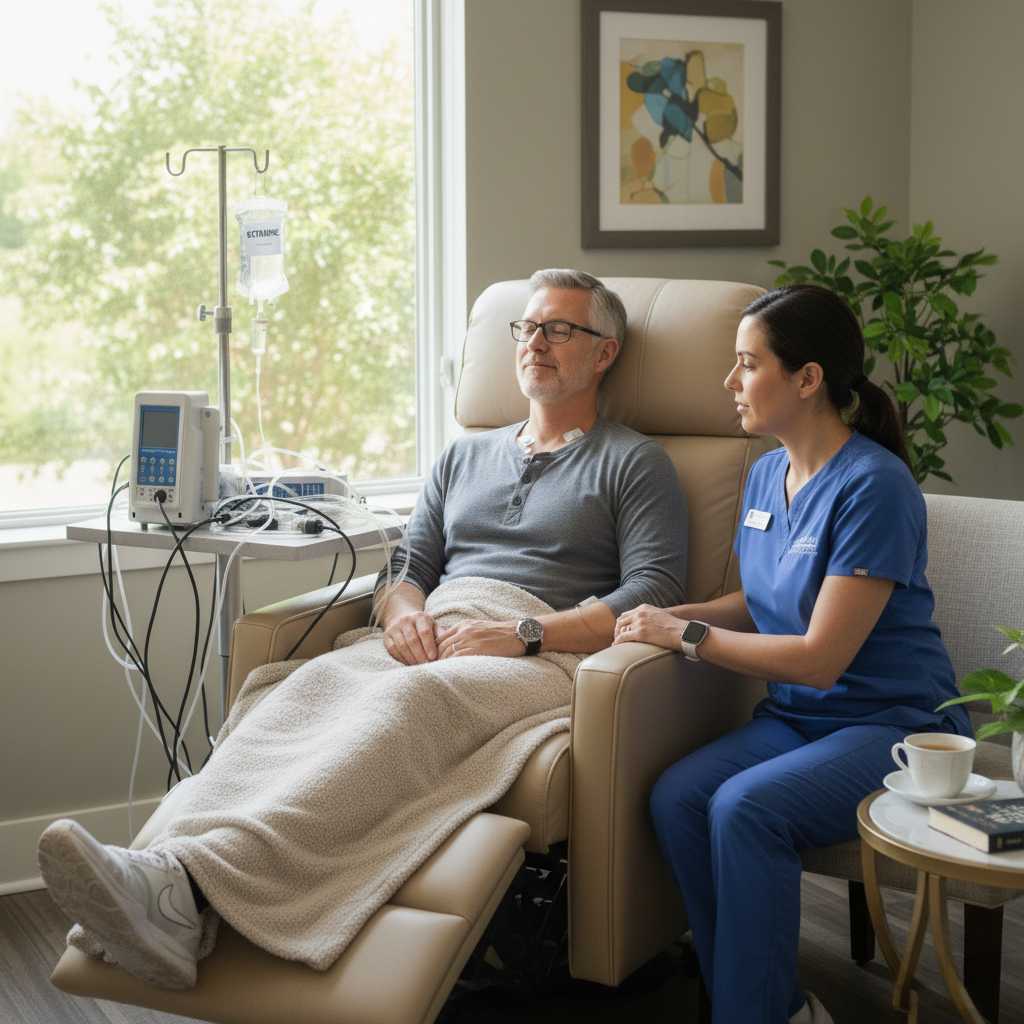
Stepping into Your Patients' Shoes
What truly differentiates this course from all others is the opportunity for clinicians to experience ketamine's profound effects themselves. By personally navigating the non-ordinary states of consciousness induced by ketamine, you'll gain invaluable insights into the patient experience.
This firsthand understanding enables you to prepare more effectively and support your patients, reducing their anxiety and increasing the efficacy of treatment. No other training program offers this level of immersive learning, making it a critical component for clinicians who aim to provide the highest standard of care.
Experience Ketamine Firsthand and Transform Your Practice
By combining this direct experience with the extensive didactic knowledge and hands-on, supervised clinical training provided in the course, clinicians gain invaluable insights that are critical for developing the competence and expertise necessary to accurately assess the appropriateness of, and tailor the application of, ketamine therapy for their patients. This unique, immersive approach sets this program apart, providing an essential foundation no ketamine infusion training offers.
The Key Benefits You'll Gain Can Be Invaluable:
Framing the Ketamine Experience
• Framing the Ketamine Experience sets the stage for a therapeutic journey with clear intentions and expectations, whether it's for treating depression, managing pain, or exploring psychological states. Clinicians who have personally experienced ketamine's effects are better equipped to guide their patients, helping them mentally and emotionally prepare. This firsthand understanding allows clinicians to reduce patient anxiety and increase receptiveness and treatment effectiveness.
Valuable Tips for Beginning an Infusion Session
• Starting an infusion session correctly is crucial for safety and maximizing outcomes. Clinicians who have undergone the infusion themselves understand the importance of creating a calm, supportive environment. Their experience enables them to establish rapport quickly and effectively, set up the infusion accurately, and address any patient concerns, ensuring the session begins on the right foot.
Visual, Kinesthetic, and Somatic Processing
• Ketamine often heightens sensory perceptions, such as visual imagery, bodily awareness, and emotional responses. Clinicians who have experienced these effects can better support their patients by tailoring the therapeutic environment and providing guidance through intense sensations. This insight helps them create a more personalized and effective treatment experience.
Experiencing Dissociation
• Dissociation, where patients may feel detached from their body or reality, is a key effect of ketamine. Clinicians who have experienced this can better prepare patients, explaining what to expect and how to navigate it. This personal understanding allows clinicians to ensure dissociation becomes a safe, therapeutic part of the process rather than a source of anxiety.
Time and Space Expansion
• Ketamine can alter perceptions of time and space, making them feel fluid and expansive. Clinicians who have experienced these shifts can help patients understand and embrace them, turning what might be disorienting into a therapeutic tool for gaining new perspectives.
Non-linear Thought
• Ketamine can disrupt linear thinking, leading to what appears to be fragmented, non-sequential thoughts. Clinicians who have experienced this can guide patients through these cognitive shifts, helping them find meaning in the ketamine space and uncover new insights, rather than feeling overwhelmed by changes in thought patterns.
The Ketamine Continuum and Depth of Immersion
• Patients can experience varying depths of immersion during an infusion, from mild perceptual changes to deep states of consciousness. Clinicians who have explored these depths can better assess and modulate the experience for their patients, ensuring the therapy is tailored to their specific needs and therapeutic goals.
The Spacious Present
• The "spacious present" is where patients feel fully immersed in the moment, free from past and future concerns. Clinicians who have entered this state themselves can guide patients to embrace this therapeutic space, where significant emotional and psychological healing can occur.
Debriefing and Integration Techniques
• Debriefing and integration are critical for processing the experiences and insights gained during an infusion. Clinicians who have undergone this process can better help patients articulate their experiences and integrate them into their lives, enhancing the lasting impact of the therapy.
Returning from the Experience
• Guiding patients back to ordinary consciousness after an infusion is a delicate process. Clinicians who have experienced this transition understand the importance of a gentle, supportive approach that helps patients feel grounded and ready to integrate the experience.
Post-infusion Phenomena
• Post-infusion effects like mild dissociation or new insights are common. Clinicians who have experienced these phenomena can provide better care by reassuring patients and helping them navigate the residual effects, thereby maximizing therapeutic benefits.
Learning from Insights Gained to Adjust Subsequent Infusion Sessions
• Each ketamine session offers insights that can improve future treatments. Clinicians who have experienced ketamine themselves can better help patients reflect on their experiences, adjusting future sessions to meet evolving needs for more effective, personalized outcomes.
Ready to Train at the Highest Standards?
The KRI Mini-Fellowship represents a rare opportunity to train at the highest level of ketamine practice — and seats fill months in advance. If you’re ready to move beyond basic certification and build a practice defined by clinical excellence, superior outcomes, and genuine expertise, the time to act is now. Apply today at ketamineinstitutetraining.com or call 800-850-6979 to begin the conversation.
Click here to go to the course schedule and application page
Here's What Our Graduates Have To Say
"Dr. Grass:
This is just a token of appreciation for your time and patience. When I enrolled in your program, it was not my intent to participate by exhaustively asking questions, but it became apparent that I had overestimated my fund of knowledge.
Although I have extensive clinical experience with ketamine, and I work at expanding my understanding of the fundamental physiology and pharmacology involved in the administration of ketamine for mental health disorders, I had no idea how much I didn't know.
All the knowledge that I had acquired needed the perspective and clinical understanding that you were willing to share. Thanks again for your help.
Your program exceeded all expectations"
— Mark Garwin, MD - Anesthesiologist
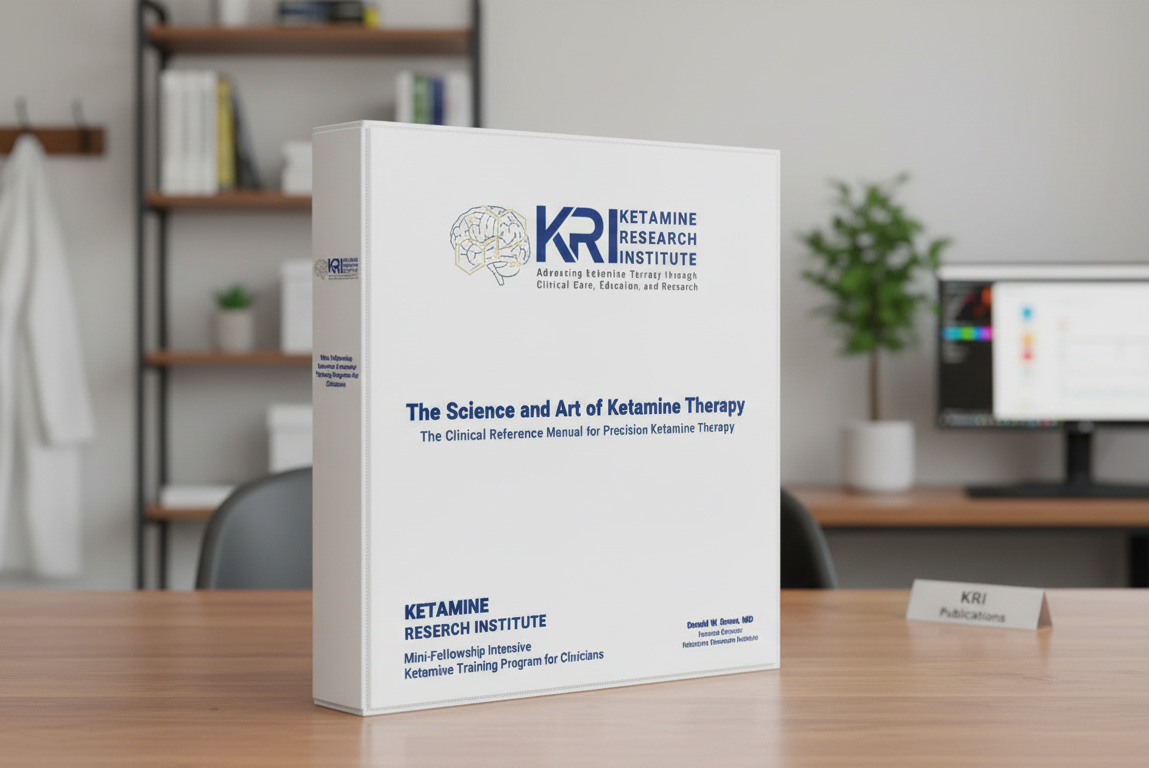
To Learn More About Our Programs - please click the links below:
The "Mini-Fellowship" Intensive Training Program
A Detailed Course Overview
Day 1: Essential Foundations for Ketamine Therapy
Day 2: Mastering the Future of Ketamine Therapy
Day 3: Personalization and Precision in Ketamine Therapy
Our Course Schedule and How To Apply For Training
The Origin of Our Ketamine Training Program
What Our Graduates Say About The Course
How the Ketamine Research Institute Training Program Complies with APA and ASA Recommendations