
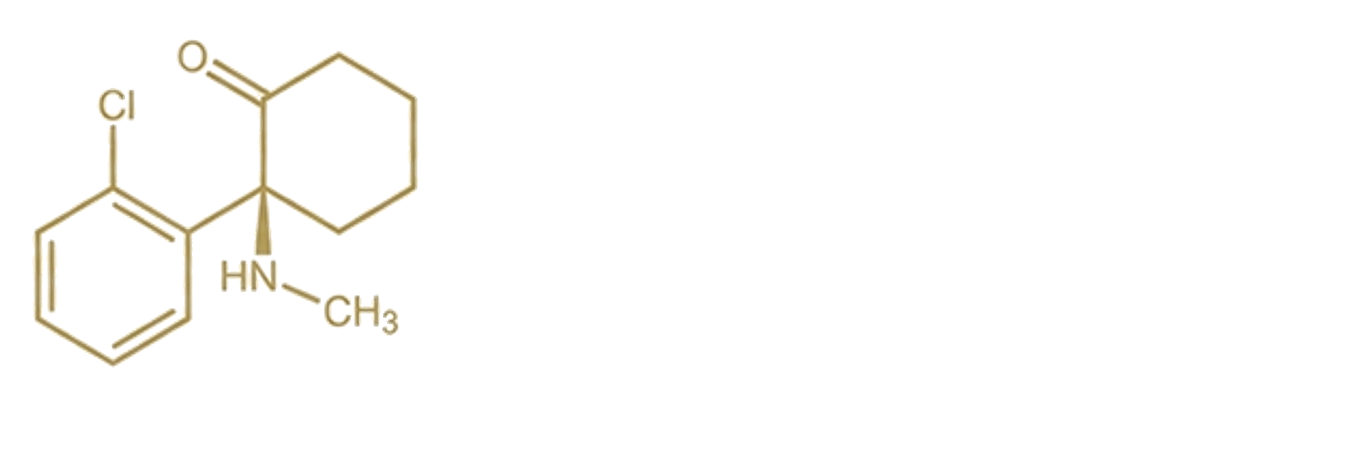
The “Mini-Fellowship” Intensive Ketamine Training Program for Clinicians
Four clinicians per session. Three days inside a working infusion center. Then twelve months of mentorship with the physician who trained you.
Next session: November 12–14, 2026 · Private sessions available
Why we built the course this way
Ketamine is an anesthetic. Everything else follows from taking that seriously.
Ketamine is often taught as a novel psychiatric tool that happens to be given intravenously. It is the reverse. It is a powerful dissociative anesthetic being given to psychiatric outpatients in an office, with real cardiovascular effects, real airway implications, wide individual variation in metabolism, and a psychological intensity that can either open a patient or frighten them out of treatment entirely.
KRI trains clinicians to deliver it as office-based anesthesia, with the pharmacological rigor, safety infrastructure and monitoring discipline that framing demands.
“Not because it sounds impressive, but because that is what the drug actually is. Everything else in this program follows from that one decision.”
GW Grass, MD · Course Director, Ketamine Research Institute
New to plasma levels? Start here
The dose is what goes in. The plasma level is what the patient actually gets.
1 · The dose
Milligrams per kilogram
The standard protocol sets the dose by body weight alone: 0.5 mg/kg over forty minutes.
2 · The level
What reaches the bloodstream
Body composition and how fast the liver clears ketamine change how high the level climbs and how long it stays there, even at the same dose.
3 · The target
Aim for a level, then hold it
You will learn to work out the level each patient needs and run the infusion to reach it and stay there.
The method
The difference isn’t the molecule. It’s the method.
Two ketamine centers can run the same six-infusion induction, at the same milligrams per kilogram, for patients with the same diagnosis, and get very different results.
The standard 0.5 mg/kg, six-infusion protocol was borrowed from a small number of early studies and promoted to a de facto standard, with no defined dose–response curve for any single psychiatric indication. The first of those studies, at Yale in 1994, examined glutamate and schizophrenia, not mood.
A weight-based dose accounts for weight and nothing else, so the same dose produces a different plasma curve in each patient.
The course teaches what sits behind the difference: patient selection, dosing worked out from concentration, physiologic monitoring, and readiness for adverse events.
Ketamine is FDA-approved as an anesthetic. Its use for depression and chronic pain is off-label, which means the FDA has not evaluated it for those uses.
Community outcomes · large-scale study
What happens in community ketamine settings today. These are not results of this training.
of patients responded in community ketamine settings, and 28.9% reached remission (McInnes et al., J Affect Disord 2022).
finished with higher depression scores than they started with, in the same study.
reported increased thoughts of suicide, in the same study.
Source: McInnes LA, Qian JJ, Gargeya RS, DeBattista C, Heifets BD. A retrospective analysis of ketamine intravenous therapy for depression in real-world care settings. J Affect Disord. 2022;301:486–495. PMID 35027209. Data from 178 independent community ketamine practices in the United States.
Why the same dose gives different results
Same milligrams per kilogram. Three patients. Three different plasma curves.
A weight-based dose fixes what goes in, not what the patient receives. Differences in body composition, clearance and interacting medications decide where each curve lands.
One weight-based dose, three different plasma curves
Schematic, not measured data. The 25% / 50% / 25% proportions are KRI’s clinical observation drawn from the published literature, not the result of a single study.
Standard protocol sources: Krystal et al., 1994; Berman et al., 2000; Zarate et al., 2006. Community outcomes: McInnes et al., J Affect Disord 2022.
What KRI graduates are trained to do
Nine clinical skills, each taught and then observed.
Select and evaluate patients
Identify the candidates most likely to respond, and screen out the contraindications behind adverse events and liability exposure.
Stratify risk before the first dose
Triage candidates with a structured multi-system instrument, KIRT-S, alongside the state prescription monitoring program.
Dose to a target concentration
Use pharmacokinetic modeling to set and hold a target plasma level instead of a fixed milligram-per-kilogram dose.
Read pharmacogenomic results
Interpret CYP450, MTHFR and BDNF findings, and identify rapid and slow metabolizers before dosing.
Correct what gets in the way
Find and address metabolic barriers such as testosterone deficiency, magnesium depletion, thyroid dysfunction and carnitine deficiency before treating around them.
Match the protocol to the diagnosis
Indication-specific dosing and series design for treatment-resistant depression, other mood disorders, chronic pain and PTSD.
Monitor continuously
Track hemodynamics and depth of sedation in real time throughout the infusion, and act before a problem develops.
Manage adverse events
Structured recognition, management, documentation and reporting of adverse events.
Rescue the airway
Moderate and deep sedation airway training built around ketamine: laryngospasm, hypoventilation and apnea, aspiration, and deterioration masked by dissociation.
Who this training is for
Licensed clinicians who give ketamine, or intend to.
Physicians in primary care, psychiatry, anesthesiology, emergency medicine and pain medicine; nurse practitioners and other advanced practice nurses; physician assistants; and CRNAs.
The course content is the same for everyone in the room. Pharmacology, concentration-based dosing and the monitoring standard do not change with the license. Scope of practice and supervision do, and they vary by state, so confirm yours with your board.
How the course began
Dr. Grass first used ketamine clinically in 1985. From around 2004 he taught high-dose ketamine infusion to residents and fellows, and at Yale and VA Connecticut he directed the Pain Medicine Fellowship and led VA research on ketamine infusion for neuropathic pain.
Thousands of monitored infusion hours later, one thing was clear: the standard protocol performs differently in practice than in controlled studies. The questions that decide the difference, such as patient selection, interacting medications, metabolism, and set and setting, are ones the protocol itself does not answer.
In 2016 he opened the course to clinicians in private practice, to teach those answers inside a working infusion center.
The three days · Thursday to Saturday, 9 AM to 6 PM
Fifteen modules, taught in the room where the infusions happen.

Day 1 · Thursday
Scientific and regulatory foundations
Where the standard protocol came from, clinical and medical-legal standards, DEA compliance, and setting up an infusion practice.
Modules 1–5 · Introduction to the infusion room
Day 1 in detail →
Day 2 · Friday
Pharmacokinetics and plasma targeting
How concentration, not weight, decides what reaches the brain, and how to run an infusion to a target.
Modules 6–8 · Peer practicum begins
Day 2 in detail →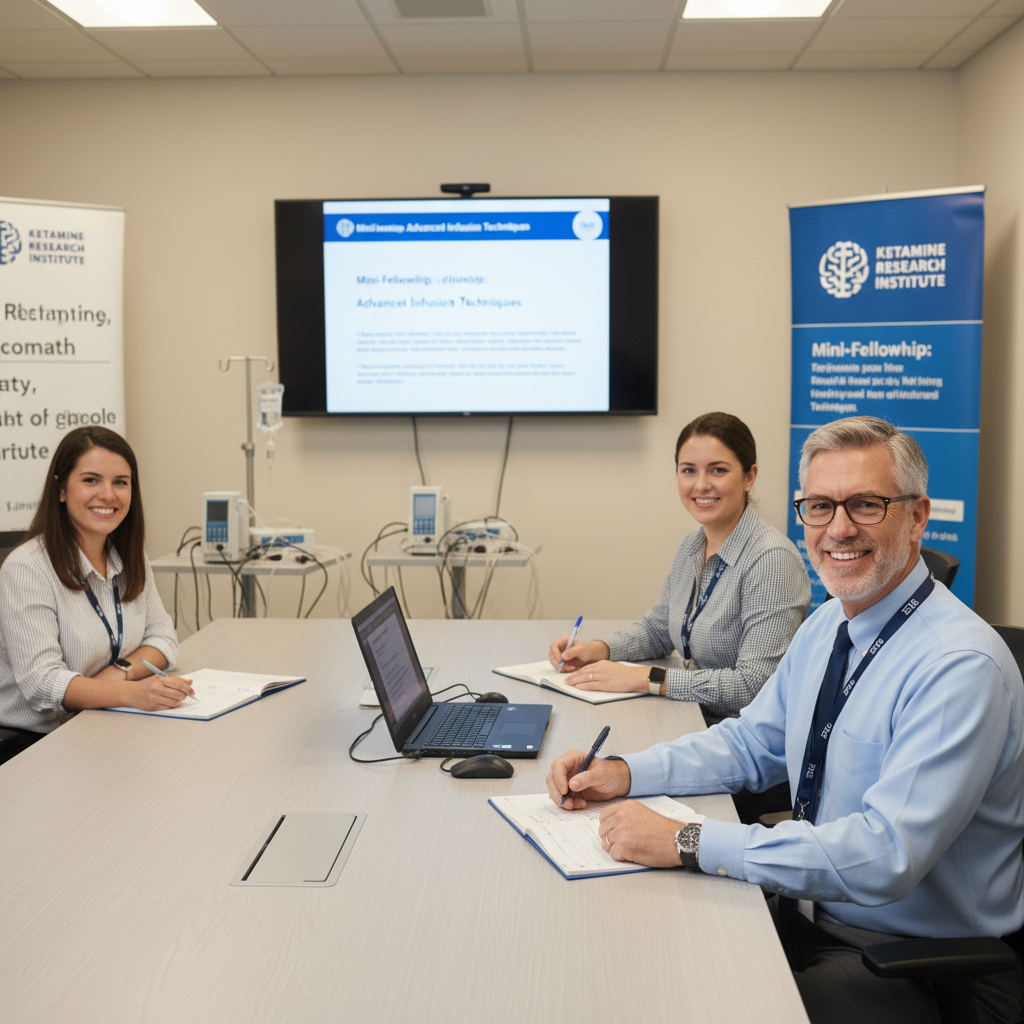
Day 3 · Saturday
Precision medicine and targeted infusion
The SOMA framework, metabolism and genetics, complex medications, and the tools you take home.
Modules 9–15 · Competency assessment
Day 3 in detail →Day 1 · Foundations
- The Scientific Journey of Ketamine
- Clinical Excellence, Regulatory Compliance and Medical-Legal Standards
- DEA Compliance and Controlled-Substance Management
- Setting Up Your Infusion Practice
- The Future of Ketamine Therapy: Why Standards Matter
- Clinical session: Introduction to the infusion room
Day 2 · Plasma targeting
- Pharmacokinetics and Plasma Concentrations
- Mechanism of Action: The Master Molecule
- Mastery of Delivery and Risk Management
- Clinical practicum: supervised peer infusions
Day 3 · Precision medicine
- Advanced Pharmacokinetics and Target-Determined Infusions
- Transforming Your Approach: The Critical Variables
- Metabolism, Genetics and Comorbidity Management
- Precision Medicine in Practice: The SOMA Framework
- Personalized Dosing and Treatment Trajectories
- Putting It All Together: Tools, Quality and Professional Accountability
- Competency Assessment and Certification
- Clinical practicum, continued
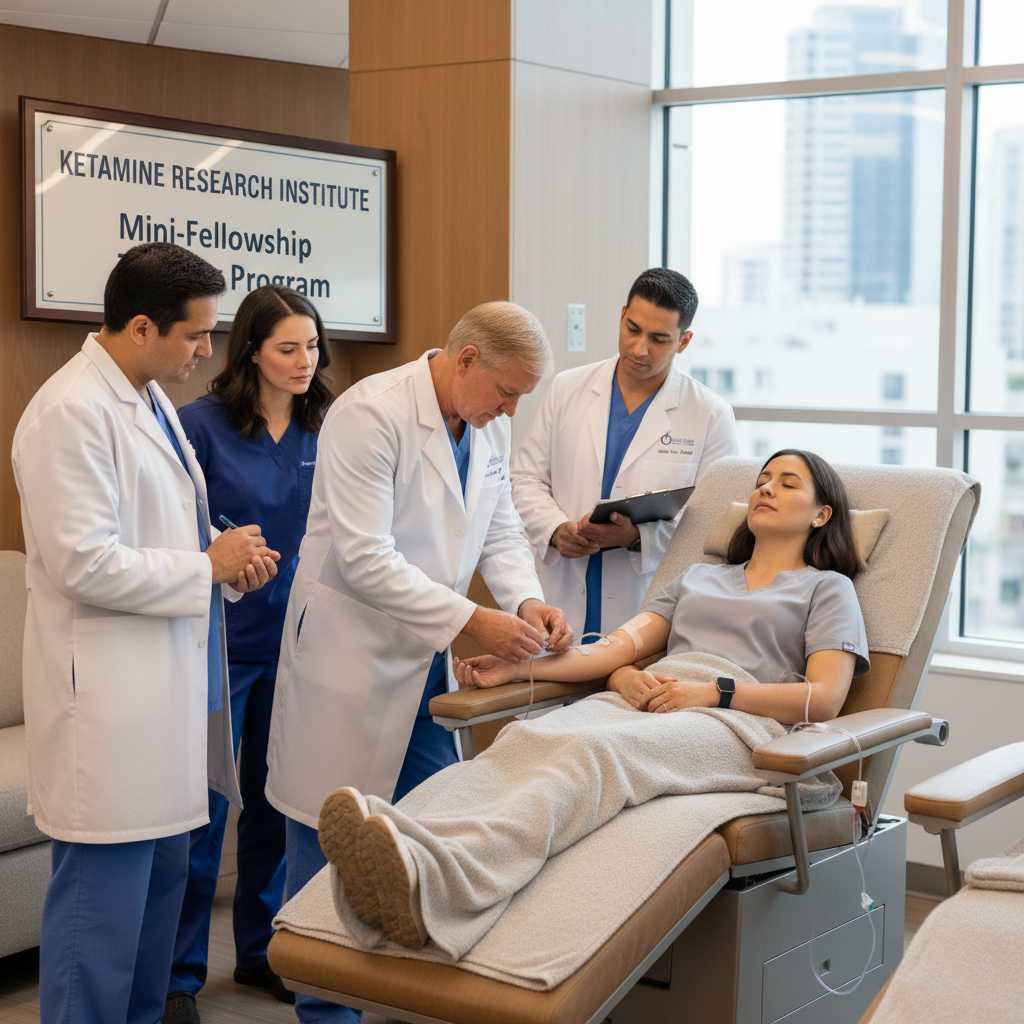
The peer practicum
You won’t watch. You’ll do it, on each other.
The person in the chair is not a patient. It is the clinician sitting next to you. You take a full history from a colleague, calculate the dose from their actual parameters, place the line, program the pump, and manage the session from start to finish under direct observation. Then you trade places.
Two attendees receive an infusion on Day 2 and two on Day 3. Each runs 1.5 to 2 hours, which is why those days run long.
No patients are involved. Receiving an infusion is voluntary and separately consented, and declining has no effect on certification.
Distinctive phases of the ketamine state
Schematic. What the recipient moves through during a 40-minute infusion.
The personal experience
What your patients will feel, you will have felt.
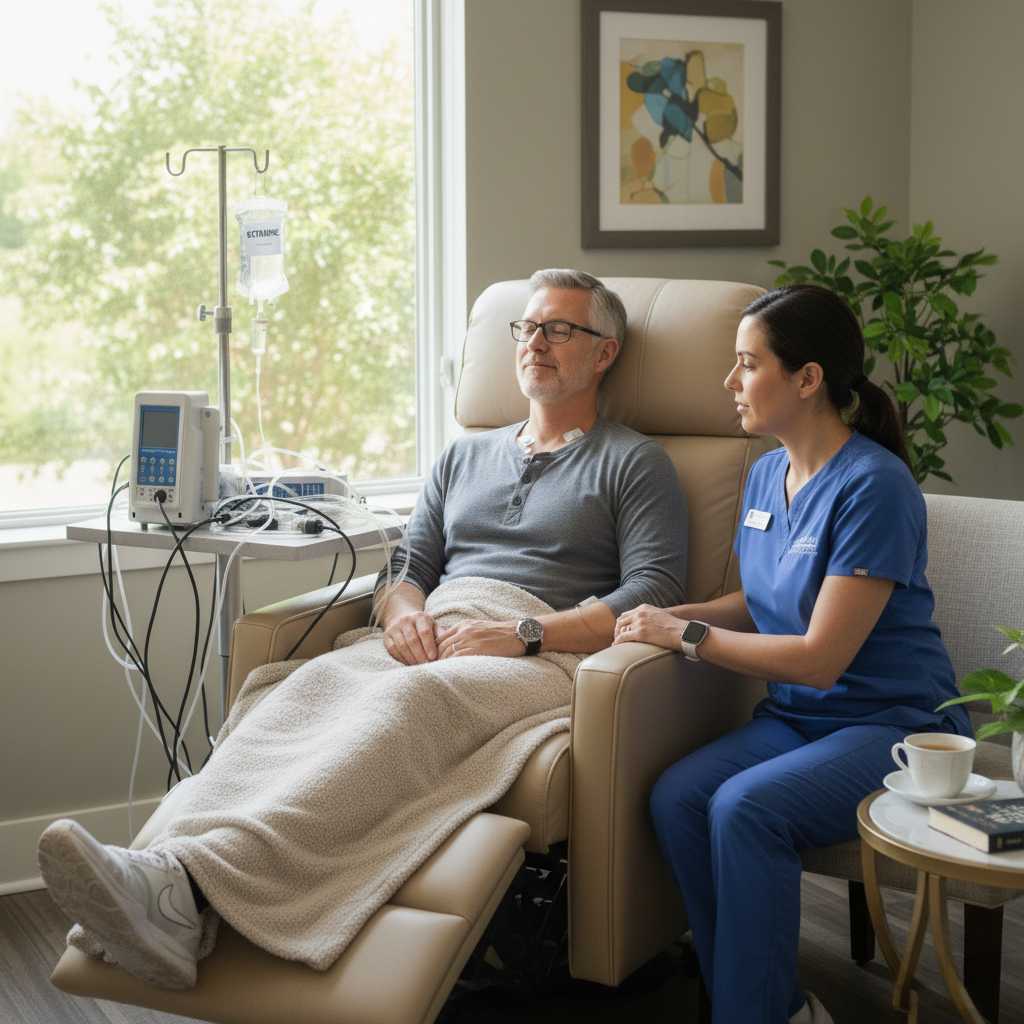
The ketamine state is not simply sedation. It is a non-ordinary state of consciousness that can be disorienting, emotionally intense and, for many patients, profoundly meaningful. A clinician who has never been in it is guiding someone through a place they have only read about.
As the recipient, you receive a supervised infusion in a fully monitored clinical setting, with a senior KRI clinician present throughout. A structured reflection and a written assignment follow, on what the experience means for your own patients.
What clinicians take from it
Framing the experience
How to prepare a patient with clear intentions and expectations, and what to say beforehand to lower anxiety before the first infusion.
Dissociation, from the inside
What detachment from the body actually feels like, so you can tell a patient what is coming and make it expected rather than frightening.
Time, space and non-linear thought
Recognizing altered perception and fragmented thinking, and helping a patient find meaning in them instead of feeling overwhelmed.
Depth of immersion
The range from mild perceptual change to deep states, and how to judge where a patient is and when to adjust the rate.
The return
Guiding a patient gently back to ordinary consciousness, and reassuring them about residual post-infusion effects.
Debriefing and integration
Helping patients put the experience into words, and using what they report to adjust the next session.

After the three days
Twelve months of mentorship, one phone call away.
For a full year you have direct access to the clinical team for case consultations, protocol troubleshooting, dose guidance, and support when a complex situation arises.
That covers interpreting genetic test results, managing an unexpected reaction, choosing equipment, and building the practice around the method. Quarterly milestones and a twelve-month competency re-assessment keep the year structured.
From the training to your practice
The three days teach the method. What follows is what lets you run it.
Safety systems, documentation, compliance, and the clinical and business tools every graduate takes home.
- Safety and compliance
- Where the field is going
- What you take home
- The credential
Safety, documentation and compliance
Built like a medical practice.
Inspectors, malpractice carriers and referring physicians ask the same question from different angles: is this run as a medical practice? The course builds every graduate’s answer.
A defensible patient record
The KIRT multi-system risk assessment produces the record an inspector expects, the clinical reasoning a malpractice carrier looks for, and the documentation a referring physician needs.
Monitoring and documentation
Evaluation templates, informed consents, procedural notes and infusion records, with a controlled-substance program covering handling, security, logbooks and disposal.
Adverse events and quality
An adverse-event logbook, reportable-event criteria and FDA MedWatch reporting, plus a quality framework for outcomes, complication rates and peer review.
Where the field is going
Preparing for the requirements that are coming.
A growing number of states are introducing formal requirements for office-based ketamine, sedation and monitoring. Investigational therapies such as MDMA- and psilocybin-assisted treatment will, if approved, also depend on long, monitored sessions run by medically trained clinicians.
Monitored-session infrastructure
How to structure a clinic, its staffing and its emergency protocols to run long psychoactive sessions safely.
Interactions and screening
Drug–drug interactions, SSRI tapering and cardiovascular screening, extended from the ketamine protocol to the wider pipeline.
Data you can use later
Compliant EHR tracking from day one, so a practice’s own outcomes are recorded and available for research.
What you take home
A complete clinical and practice system, not just a certificate.
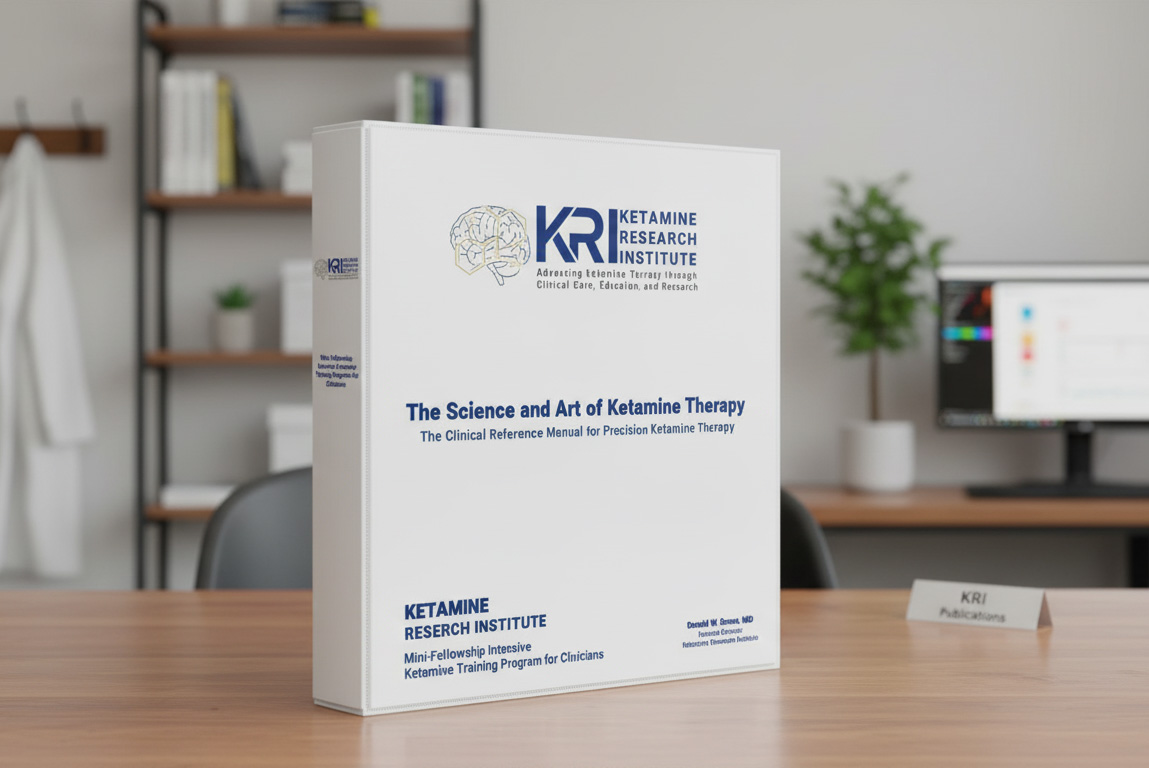
The Clinical Reference Manual
The Science and Art of Ketamine Therapy: pharmacokinetics, mechanisms, dosing, interactions and contraindications, as a desk reference.
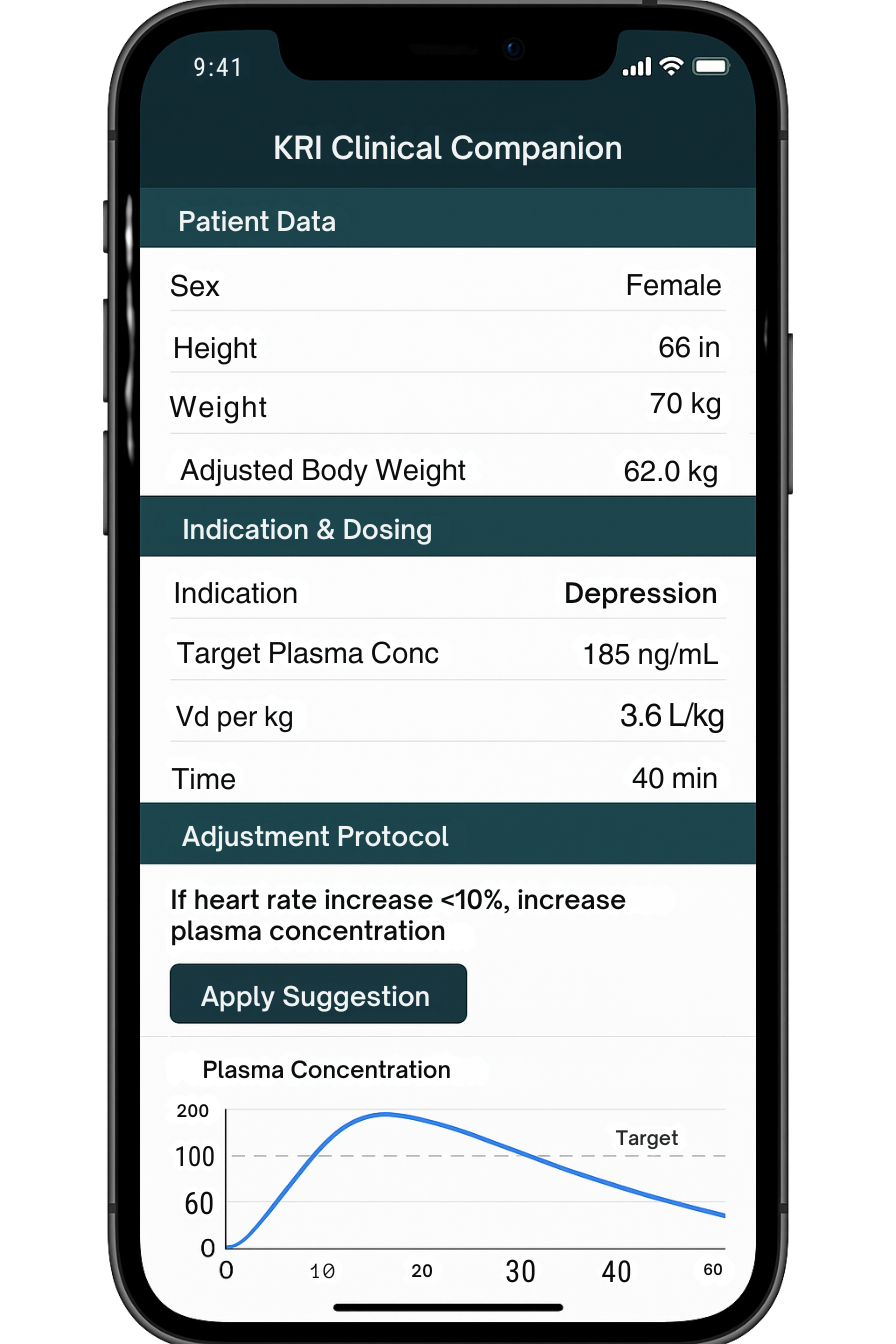
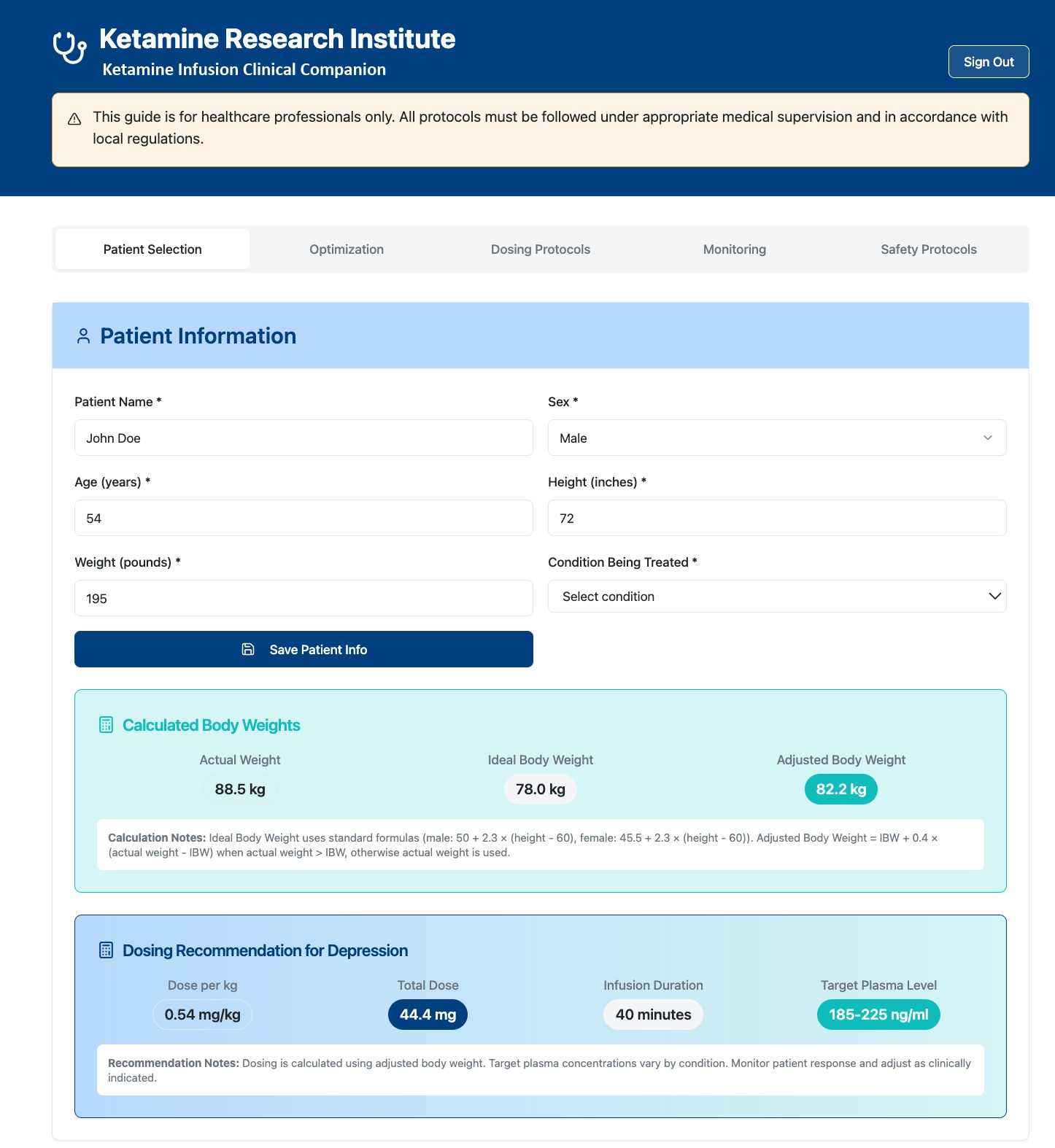
The KRI Clinical Companion
A decision-support app built for this protocol: target plasma concentration from patient-specific factors, interacting medications, metabolism, and a live concentration curve during the infusion.
KIRT-S risk screening
A short clinician screening tool, used with your state PMP, covering substance-use risk, psychiatric stability, medical and infusion safety, and treatment fit.
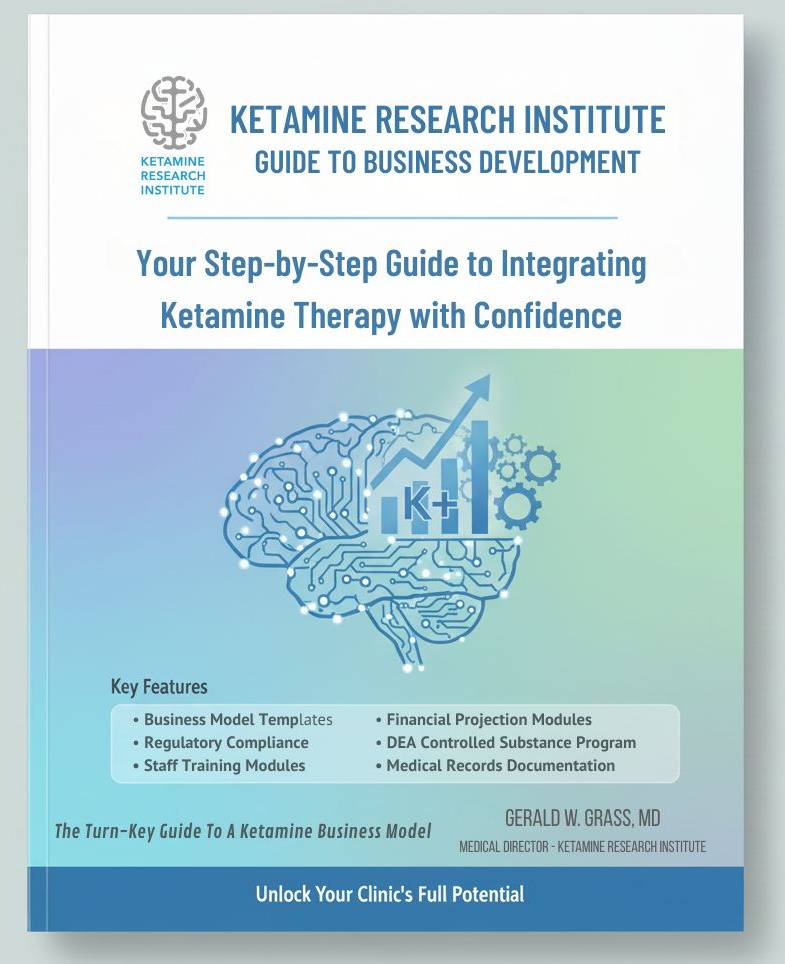
Guide to Business Development
Space planning, staffing, financial projections, DEA controlled-substance program and documentation templates.
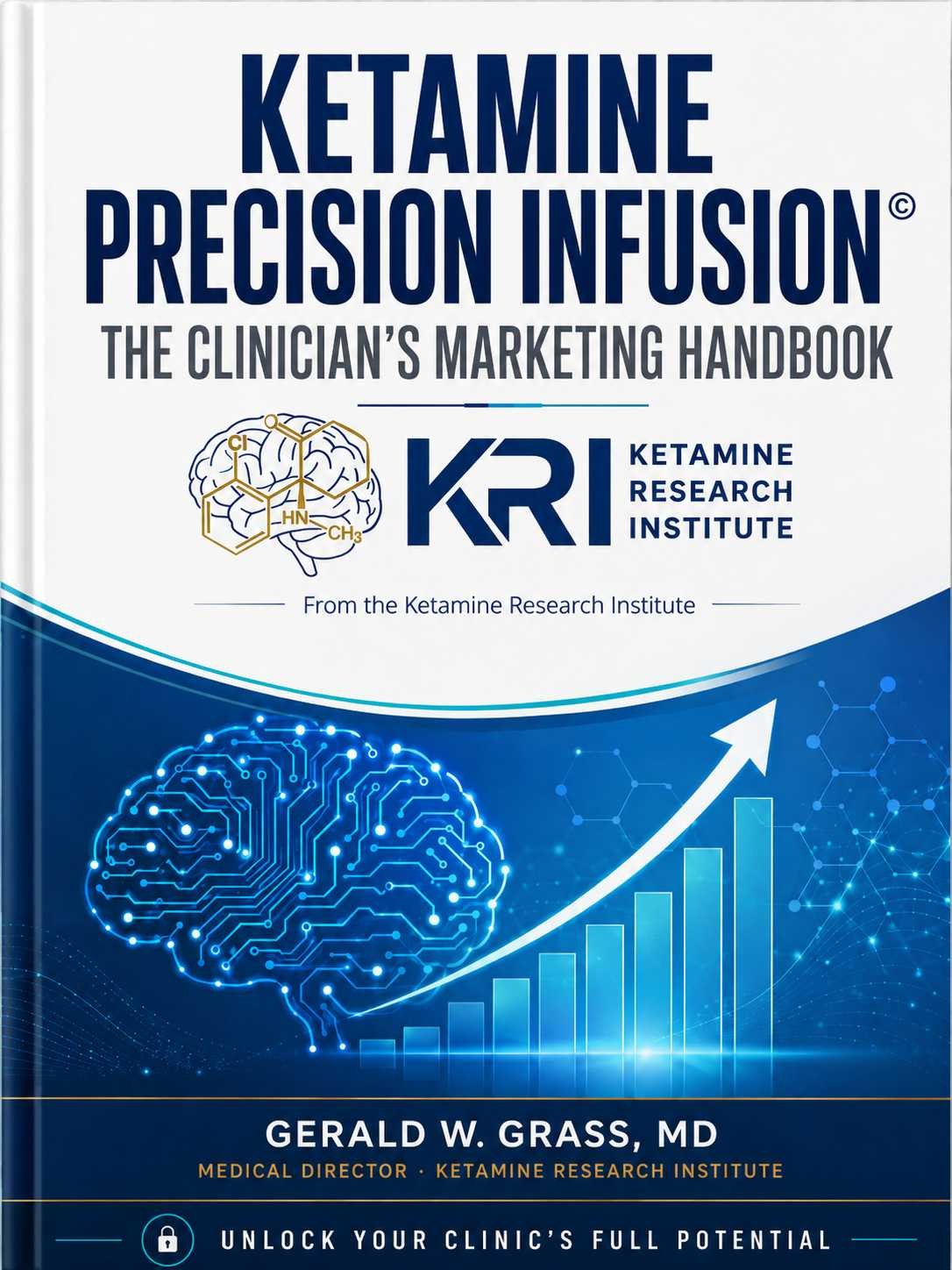
The Clinician’s Marketing Handbook
How to describe your training and methods accurately and without overstatement.
The KRI Standard for Office-Based Ketamine Therapy: the method, published as numbered, checkable requirements, free to read and revised every year. To be notified, email training@ketamineinstitute.com.
The credential
A certificate that required something of you.
This is a competency-based program. Completion requires passing a 100-question final examination and demonstrating clinical proficiency through direct observational assessment. You are observed doing the work. If proficiency is not demonstrated, the certificate is not issued.
Graduates are listed as KRI Trained and Certified Clinicians and practice the KRI Precision Ketamine Infusion.
- A certificate of training with a competency attestation.
- Not board certification, and not an accreditation.
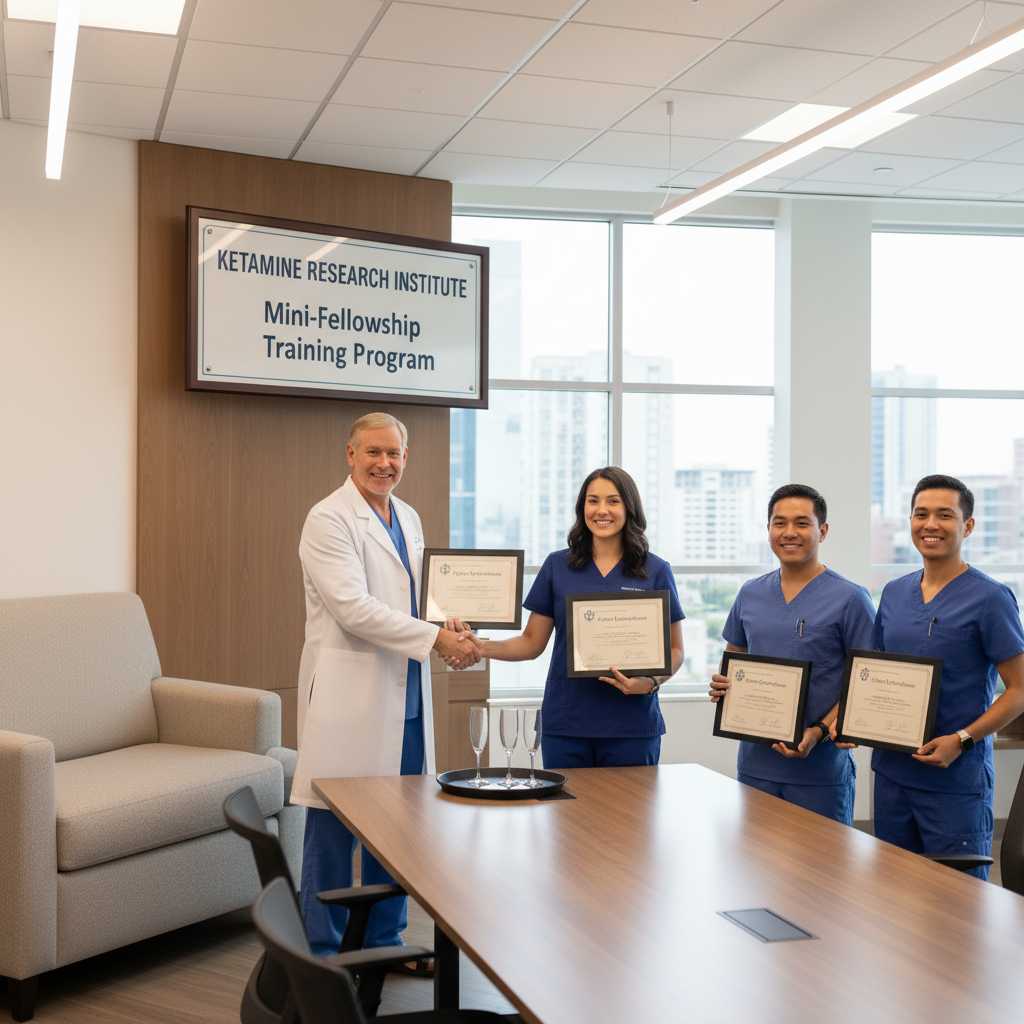
The “Mini‑Fellowship” Program
Intensive ketamine training for clinicians
Evidence-based didactics · Supervised hands-on clinical infusion experience · Formal airway and sedation training

Course director
Gerald W. Grass, MD
Four decades in anesthesiology, neurosurgery, pain medicine, emergency medicine and academic research, clinical work with ketamine since 1985, and thousands of hours of continuously monitored ketamine infusions.
In their own words

“Although I have extensive clinical experience with ketamine, I had no idea how much I didn’t know.”
Mark Garwin, MD · Anesthesiologist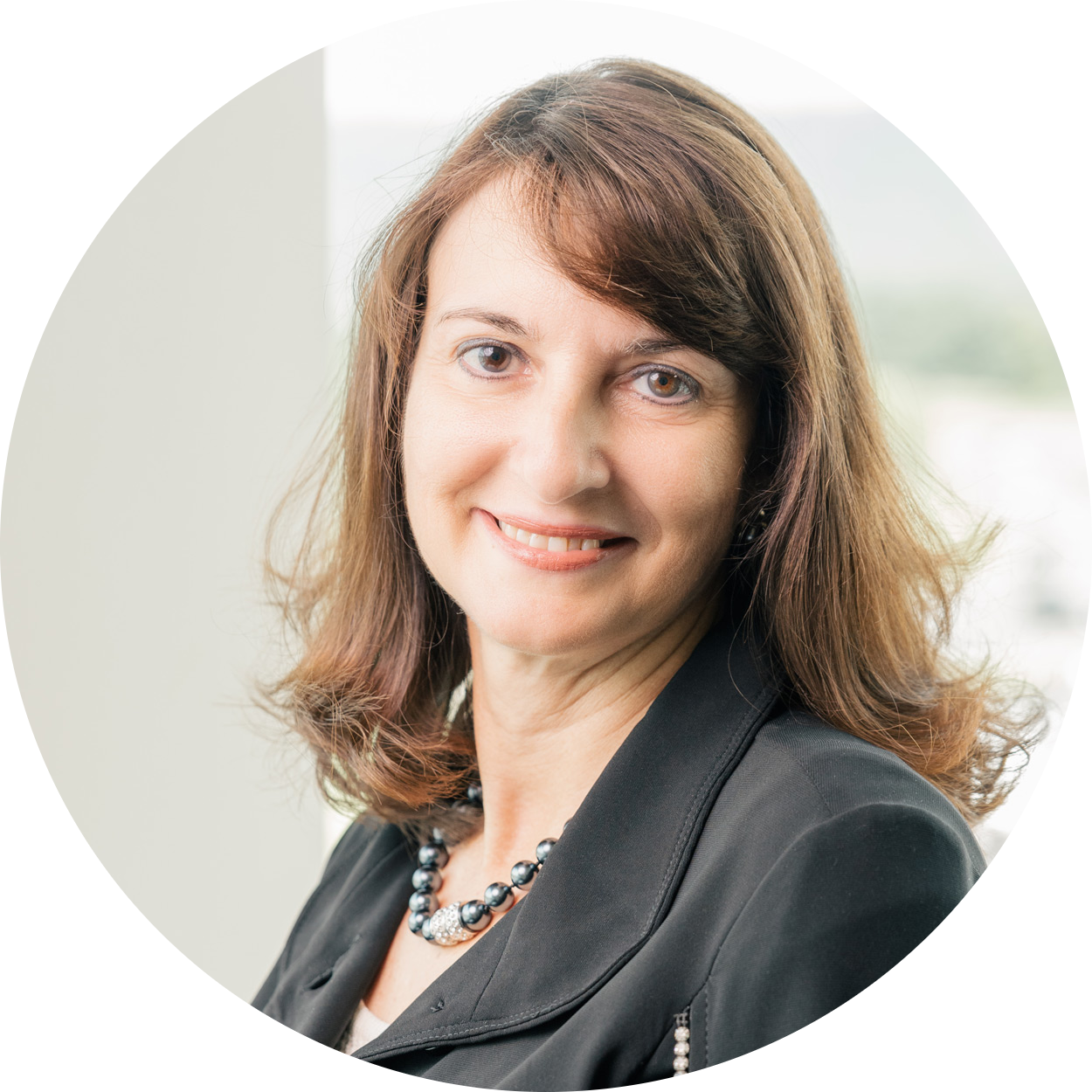
“The course was exactly what I was hoping for: evidence-based, scientifically yet practically oriented.”
Theresa Burick, MD · Integrative MedicineNext session
November 12–14, 2026
- Schedule
- Thursday–Saturday, 9:00 AM–6:00 PM
- Cohort
- Four clinicians · 12 a year
- Location
- 5969 Cattleridge Blvd., Suite 104, Sarasota, FL 34232
Travel and lodging in Sarasota → - Credential
- KRI Trained and Certified Clinician
- Tuition
- $8,950
- CME
- 24 Type II credits. Type I CME credit is not offered.
Private and practice sessions
Private training is available by special request, including customized practice-readiness tutorials for clinicians and their staff facing new state requirements.
Talk it through first
We will answer your questions and arrange a time for you to speak with Dr. Grass about whether the training fits your goals.
800-850-6979training@ketamineinstitute.com
Documents by fax: 850-602-9013